

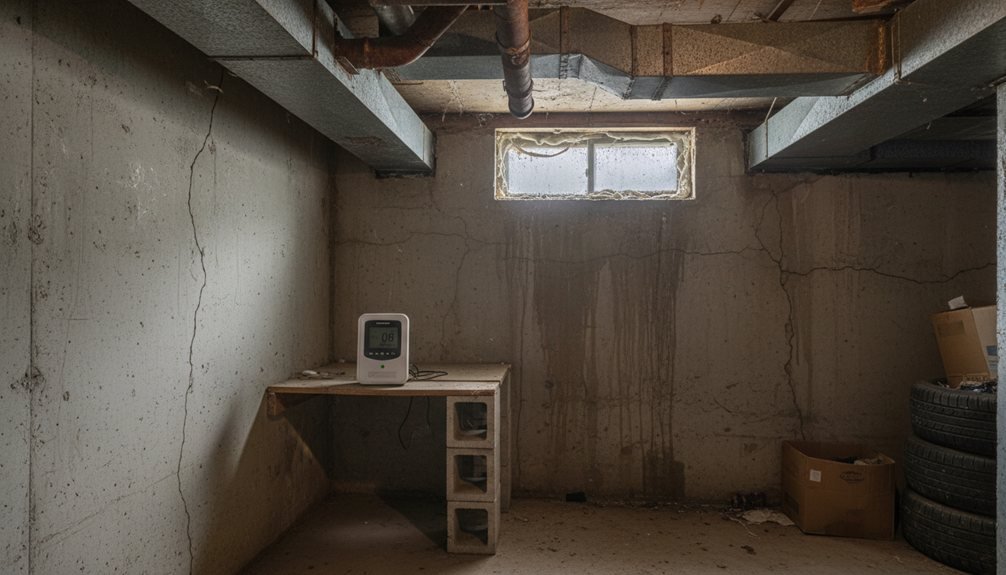
You need a radon test if your home’s pre-1980s with a basement. Older construction traps radon through cracks and poor sealing. Live in EPA Zone 1? That’s highest risk—test immediately. Neighbors showing high radon levels? You’re likely vulnerable too. Notice foundation cracks, musty smells, or family respiratory issues? Red flags everywhere. Recent renovations create new entry points. Sealed, energy-efficient homes concentrate radon dangerously. Previous test results climbing year-over-year? Mitigation’s needed now. Your specific situation determines testing urgency.
Key Takeaways
- Home age & foundation type: Older homes with basements or crawl spaces built before 1980s are at higher radon risk due to construction materials and foundation settling.
- Geographic location matters: Check EPA radon zone maps and state/zip code data; Zone 1 areas and neighboring high-radon properties indicate elevated testing urgency.
- Foundation condition signals: Visible cracks, gaps at wall-base junctions, and window well separations are primary radon entry points requiring immediate testing.
- Ventilation & air quality issues: Stuffy air, window condensation, musty smells, or high humidity suggest poor ventilation trapping radon; test before sealing tighter.
- Health symptoms & previous results: Household members with chronic respiratory issues, lung infections, or unexplained fatigue warrant testing; rising test trends demand mitigation action.
Your Home’s Age and Construction Type
Your home’s age and building style directly affect radon levels. Here’s why.
Older Homes (Pre-1980s)
- Construction materials like stone or brick trap radon easily
- Cracks develop over decades
- Foundation settlement methods shift and create gaps
- You’re at higher risk
Newer Homes (1980s+)
- Built with radon awareness
- Better sealing techniques used
- Still vulnerable though!
Your Building Style Matters
Basements? Major radon zones. Crawl spaces? Problematic areas. Slab foundations? Variable risk.
What You Should Do
Check your home’s construction year first. Inspect your foundation settlement methods for visible cracks. Examine construction materials used. Older homes typically need testing urgently. Newer construction? Still test—radon doesn’t discriminate.
Your house’s personality determines radon danger. Know yours!
Geographic Location and Radon Risk Zones
While your home’s age and structure set the stage, where you live matters just as much.
Your geographic location dramatically impacts your radon risk! The EPA identifies high radon regions across the country. Certain areas have elevated soil uranium concentrations that naturally release radon gas.
Check Your Zone
The EPA divides the U.S. into three radon zones. Zone 1 areas present the highest potential. Your state’s radon map reveals your specific risk level.
Why Location Counts
Radon naturally exists in soil everywhere. However, some regions have markedly more uranium underground. This geological reality means your neighbors might face serious radon exposure.
Take Action
Don’t assume your location’s safe! Get your home tested regardless. Your zip code’s radon classification guides testing urgency and frequency decisions.
Basement or Below-Ground Living Spaces
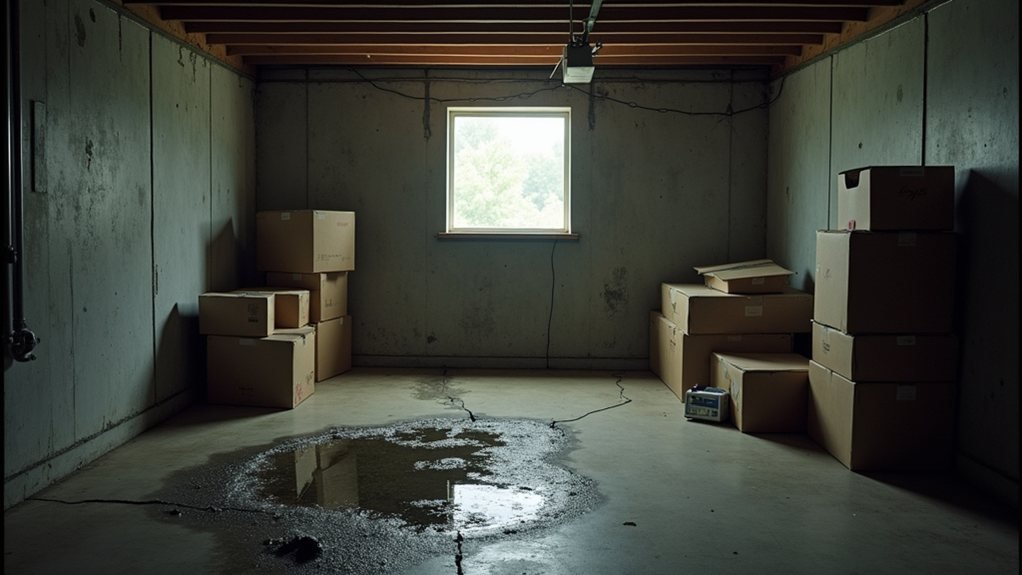
Radon concentrations spike dramatically in basements and below-ground areas! You’re dealing with serious radon exposure here. Gas seeps directly through soil into your foundation.
Why basements are radon magnets:
- Direct contact with contaminated soil underneath your home
- Negative air pressure pulls radon gas upward inside
- Finished basements trap radon in living spaces you actually use
- Earth sheltered rooms intensify radon concentration levels markedly
Your finished basement bedroom? That’s prime radon territory. Underground playrooms collect dangerous gas constantly. Foundation cracks act like open doors for radon infiltration.
You need immediate testing. Basement radon levels often exceed safe EPA standards. Don’t ignore this risk. Your family’s health depends on fast action here. Test your below-ground spaces today!
Previous Radon Test Results
Track what’s happening over time. Look for seasonal changes. Notice if levels climb higher each year. This detective work protects your family’s health.
| Year | Test Result (pCi/L) | Action Taken |
|---|---|---|
| 2021 | 2.1 | Monitored |
| 2022 | 3.8 | Concerned |
| 2023 | 5.2 | Alarmed |
| 2024 | 6.9 | Mitigation needed |
| 2025 | 4.1 | System working |
Your Action Plan
Compare new results against previous ones. Rising trends demand immediate mitigation systems. Steady levels? Keep testing annually. You’re protecting everything that matters most.
Cracks in Foundations and Walls
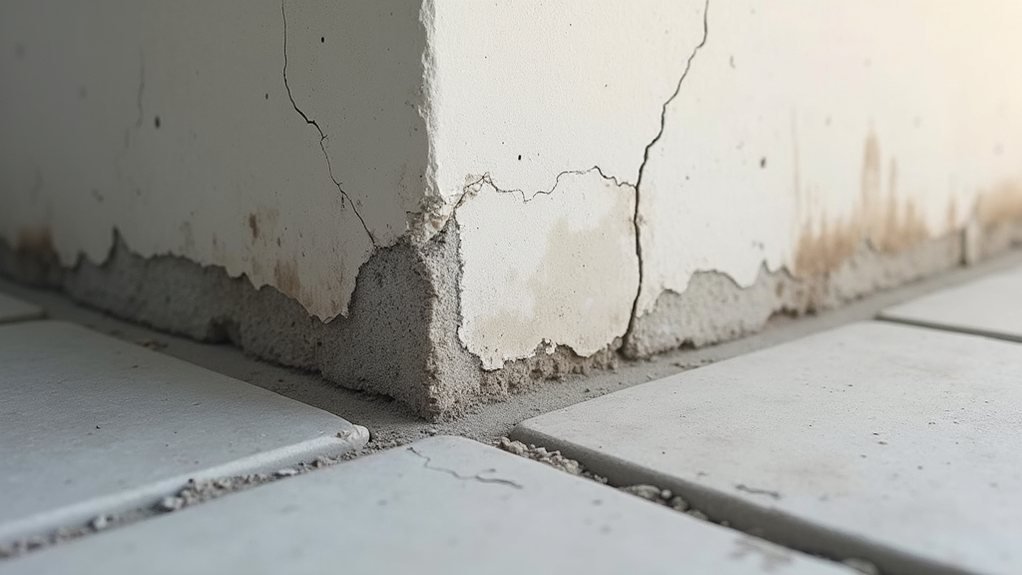
Radon sneaks through foundation gaps and wall fissures easily. You’ve got to inspect your home carefully for these openings.
What to Look For
- Horizontal cracks running across your foundation wall (most concerning!)
- Vertical fissures that seem to grow over time
- Foundation gaps where walls meet the concrete base
- Wall separations around window wells or door frames
These openings act like highways for radon gas to enter your home. Don’t ignore them!
Even tiny cracks matter tremendously.
Take Action Now
Your foundation’s health directly impacts radon risk levels. Schedule a professional inspection immediately.
They’ll identify problem areas you might miss. Foundation damage plus radon exposure? That’s a dangerous combination you’ll want to prevent!
Poor Ventilation and Sealed Homes
While you’re plugging foundation cracks, you might’ve created a new problem.
Modern homes are tight envelopes. That’s great for energy bills! But here’s the catch: sealed homes trap radon gas inside.
Why This Matters
Poor airflow lets radon accumulate dangerously.
Your HVAC system can’t always handle the job alone. Radon needs a way out—fast.
Red Flags to Watch
- Stuffy indoor air
- Condensation on windows
- Musty smells
- High humidity levels
Take Action
You’ve weatherproofed your home beautifully.
Now add ventilation balance. Install radon-resistant construction features. Consider a radon mitigation system. Test your levels immediately.
Your sealed home isn’t the enemy—lack of air exchange is. Fix this now before radon becomes a serious health risk!
Neighboring Properties With High Radon Levels
Your neighbor’s radon problem could become your radon problem.
Radon moves through soil freely. It doesn’t respect property lines. Here’s what you should know:
- Get property testing done immediately if neighbors report high levels
- Soil composition affects radon movement between adjacent homes
- Shared mitigation systems can reduce costs for multiple properties
- Underground radon pathways connect nearby foundations together
Your home’s radon risk increases markedly. Neighboring high radon levels are a major red flag. Don’t wait around hoping you’re safe.
Schedule testing right now. Professional testers measure your specific radon levels accurately. They’ll identify whether your home needs mitigation systems.
Proximity matters tremendously here. Properties within 300 feet face raised risk. Take action today!
Health Symptoms Among Household Members
| Symptom | What It Means |
|---|---|
| Chronic respiratory issues | Persistent coughing and breathing trouble |
| Unexplained headaches | Regular pain without clear cause |
| Persistent fatigue | Constant tiredness that won’t quit |
| Frequent chest discomfort | Unusual pressure or tightness |
| Recurring lung infections | Getting sick more often than normal |
Why this matters: Multiple family members showing similar symptoms? That’s your red flag! Radon exposure accumulates over time. Your kids might develop chronic respiratory problems earlier than adults. Unexplained headaches across your household warrant investigation.
Your action step: Document who’s experiencing what symptoms. Track frequency and severity. Then schedule professional radon testing immediately. Your family’s health is worth protecting!
Recent Home Renovations or Repairs
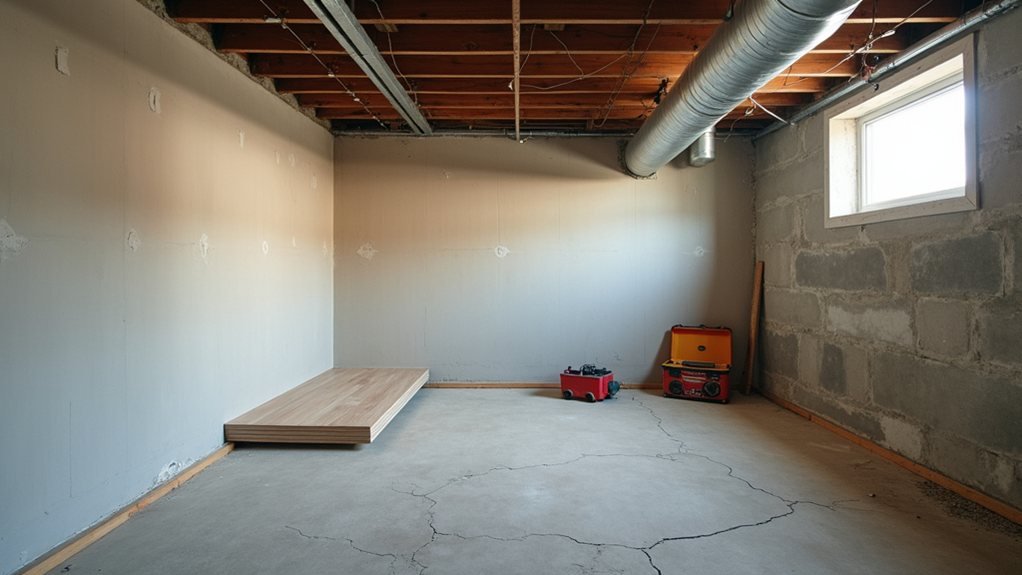
When you’ve recently torn up walls, replaced foundations, or dug around your home’s exterior, you’ve actually disrupted radon’s hiding spots.
Construction work creates cracks and openings everywhere. Radon can now escape into your living areas more easily. Here’s what you should know:
- Plumbing upgrades break through basement concrete and soil barriers
- Roof replacements alter your home’s air pressure balance
- Foundation work exposes new entry points for radon gas
- Exterior excavation disturbs underground radon pathways
You’ve effectively opened new doors for radon!
Test timing matters. Wait two weeks after major work finishes. This gives radon time to find those new routes into your home. Don’t skip testing—renovation projects are prime opportunities for radon problems. Get your home tested today!
Conclusion
You’ve now got the complete toolkit for radon detection! Your home’s safety depends on your action—like a smoke detector protects from fire, radon testing protects your family’s health. Don’t hesitate. Schedule that test today. You’ll gain peace of mind and potentially save lives. Your future self will thank you for taking this critical step now. Act fast!