

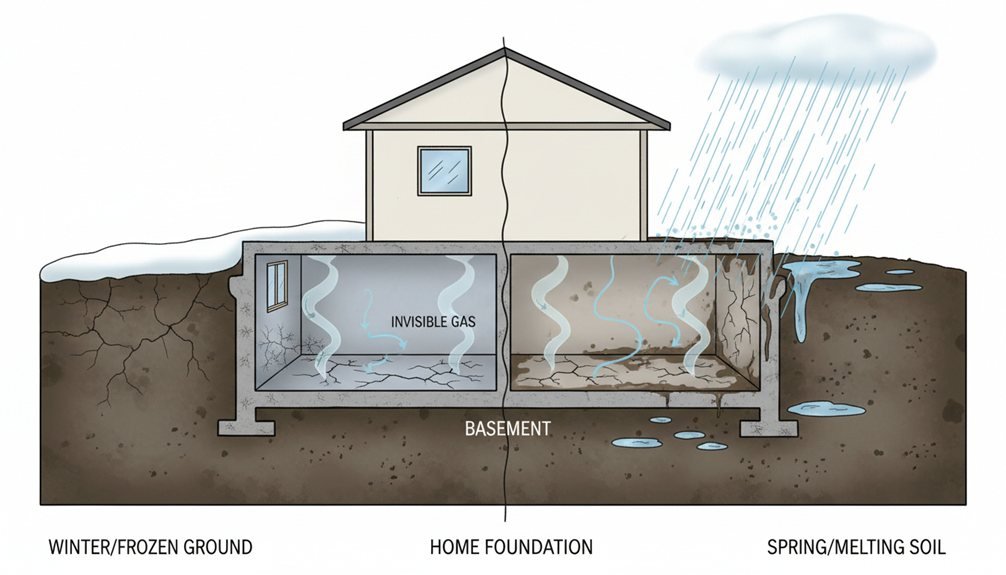
Your radon levels spike and plunge with seasons! Winter’s stack effect pushes warm air up, creating suction that pulls radon indoors—sometimes 3–4 times higher than summer. Spring’s temperature swings release trapped radon from thawing soil. Summer ventilation flushes it out, dropping levels 30–40%. Fall closes windows again, trapping radon as soil disturbs. Barometric pressure, soil moisture, and HVAC cycling all play major roles. You’ll uncover the exact seasonal testing strategy that catches radon before it becomes dangerous.
Key Takeaways
- Stack effect in winter – Warm air rises, creating pressure that pulls radon through foundation gaps into homes.
- Ground thaw in spring – Frozen soil melts and releases trapped radon, while temperature swings increase pressure fluctuations.
- Summer ventilation reduces radon – Open windows and cross-ventilation flush radon outdoors, lowering indoor concentrations by 30–40%.
- Fall window closing traps radon – Sealed homes trap radon as weather cools, increasing indoor concentrations before winter peaks.
- Barometric pressure and soil moisture – Pressure drops push radon upward; wet soil blocks it while dry soil releases more.
Winter Weather Patterns and Increased Indoor Radon
Radon enters primarily through foundation cracks and gaps. Winter amplifies this problem dramatically!
Why Winter’s Brutal
Cold infiltration creates intense pressure differences in your home. You’re experiencing the stack effect—warm air rises and escapes through your attic.
This forces outside air (containing radon) to rush inward through foundation openings.
The Numbers Don’t Lie
Winter radon levels spike 3-4 times higher than summer. Your sealed windows trap radioactive gas inside.
Foundation cracks widen during freeze-thaw cycles. That’s dangerous!
Take Action Now
- Seal foundation cracks immediately
- Install radon mitigation systems
- Test your air quality
- Don’t ignore warning signs
Winter isn’t just cold—it’s radon season. Protect your family today!
Spring Transitions: How Temperature Changes Affect Radon Movement
As winter loosens its grip, you’re facing a new radon challenge—not relief!
Why Spring Matters
Spring brings unpredictable temperature swings. Your home experiences dramatic pressure changes. These shifts dramatically impact radon movement patterns.
The Ground Thawing Effect
When the ground thawing begins, radon releases from soil. This natural process intensifies radon entry into your basement. Frozen ground previously trapped radon gas beneath your home.
Ventilation Changes
You’ll likely open windows for fresh air. This reduces indoor air pressure! Lower pressure actually pulls radon inside faster.
Your Action Plan
- Test radon levels monthly during spring
- Keep roof ventilation systems working properly
- Avoid sudden pressure drops in your home
Don’t underestimate spring’s radon impact. Stay vigilant and monitor consistently.
Summer Ventilation and Its Impact on Radon Concentration

Now that spring’s pressure swings are behind you, summer brings a totally different challenge.
Your Open Windows Strategy
You’ll want to open windows aggressively during warm months. This natural approach works incredibly well! Cross ventilation strategies are your secret weapon here.
How It Works
Open opposite windows to create airflow. Fans? They enhance circulation even further. This movement pushes radon gas outside where it belongs.
The Reality Check
You’re fundamentally flushing your home with fresh air. Radon concentrations drop noticeably. Some homes see 30-40% reductions during peak summer ventilation.
Stay Smart
Don’t rely on open windows alone for year-round protection. Summer’s your winning season though. Take advantage of this natural radon-fighting opportunity!
Fall Season Shifts and Radon Level Elevation
When temperatures drop and you’re closing those windows, watch out!
Why Fall Changes Everything
Your home’s radon danger intensifies dramatically during autumn.
You’re sealing up tight against crisp air.
That traps radon gas inside your living spaces.
The Perfect Storm
Leaf litter accumulates around your foundation.
This organic material creates gaps and cracks.
Harvest activities disturb soil near your property.
Radon escapes more easily into those openings.
Your Action Plan
- Test radon levels NOW in fall
- Seal foundation cracks immediately
- Maintain proper ventilation despite cooler weather
- Install a radon mitigation system if needed
Don’t ignore this seasonal spike!
Fall represents your critical testing window.
Taking action now protects your family all winter long.
Barometric Pressure Fluctuations Throughout the Year
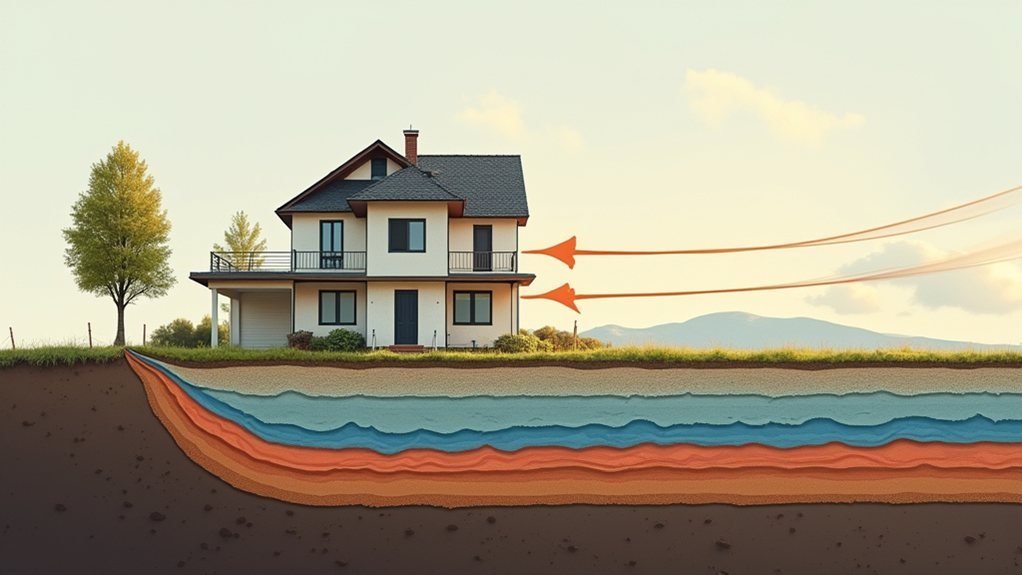
While sealing cracks and closing windows helps with fall radon spikes, there’s another invisible force you need to understand: barometric pressure.
Think of atmospheric tides like ocean waves in your air. They’re constantly shifting! When pressure drops, radon gets pushed UP from soil into your home. When it rises, radon stays DOWN where it belongs.
Here’s what happens:
You’ll notice pressure gradients change most dramatically in spring and fall.
Winter? Stable pressure keeps radon levels moderate.
Summer pressure stays consistently high, pushing radon away from your foundation.
Your job? Monitor those pressure changes. Install a radon detector that tracks seasonal patterns.
You’ll spot when your home’s most vulnerable.
This knowledge protects your family year-round. Barometric pressure isn’t random—it’s predictable science you can actually use!
Soil Moisture Variations and Radon Emission Rates
Soil’s moisture level directly controls how much radon escapes into your home. Here’s why this matters tremendously!
How Water Changes Everything
Wet soil blocks radon movement. Moisture fills soil porosity spaces. Radon can’t travel through saturated ground easily. Your basement stays safer during wet seasons!
Dry soil releases radon. Low moisture activates capillary suction. This pulls radon upward through cracks. Your home’s radon levels spike dangerously.
The Seasonal Impact
Summer heat dries soil dramatically.
Fall rains increase moisture levels.
Winter freezing affects soil structure.
Spring thawing creates new pathways for radon escape.
Your Action Plan
Test radon levels seasonally.
Monitor soil conditions around your foundation.
Consider waterproofing solutions.
Install proper ventilation systems.
Don’t ignore moisture changes!
HVAC System Usage and Seasonal Radon Dynamics
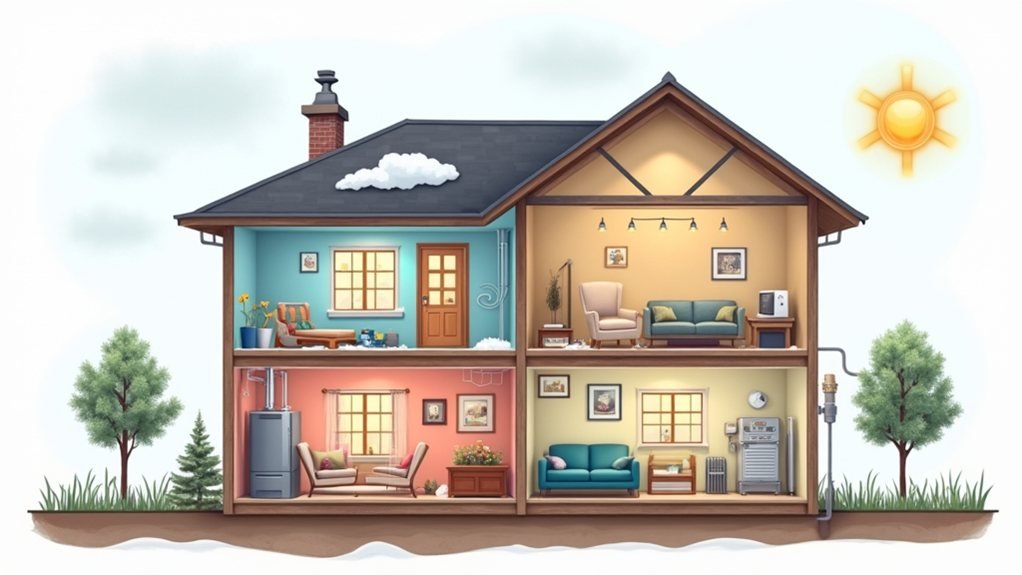
Your heating and cooling system’s got MORE power over radon than you’d think!
How HVAC Cycling Affects Radon
When your system runs constantly in winter, it creates pressure changes. These shifts actually pull radon up from soil into your home.
These shifts actually pull radon up from soil into your home. Summer cooling does something similar. Your HVAC cycling matters BIG TIME.
Filter Maintenance Keeps You Protected
Here’s the reality: dirty filters reduce airflow significantly. This impacts how radon moves through your home.
Change filters every three months minimum. Clean filters = better radon control.
The Seasonal Connection
Winter heating seasons see highest radon levels. Your HVAC runs nonstop.
Summer brings relief as usage drops. Fall changes create unpredictable spikes.
Bottom line: Your system’s seasonal activity directly influences radon concentration indoors!
Testing Recommendations Based on Seasonal Variations
Since radon levels shift dramatically throughout the year, you’ve got to test strategically!
Two Testing Approaches
You’ll want to contemplate seasonal testing first. Test during fall and winter when radon concentrates indoors. This captures your highest risk periods.
Long Term Monitoring Wins
But here’s the breakthrough: long term monitoring gives you the real depiction. It tracks radon across all seasons. You’ll see actual patterns in your home.
Your Action Plan
- Test at least twice yearly
- Run winter tests for 2-3 months
- Use certified labs for accuracy
- Compare spring versus fall results
This strategic approach protects your family effectively. You’re not guessing anymore. You’re making informed decisions based on solid data. That’s powerful!
Conclusion
You’ve uncovered why radon’s a seasonal shapeshifter in your home. Winter cranks up levels. Spring brings changes. Summer offers relief. Fall? Watch out! Remember: “An ounce of prevention beats a pound of cure.” You’re now equipped to test smartly and act decisively. Don’t let radon catch you off guard. Stay vigilant year-round. Your family’s safety depends on you understanding these seasonal patterns. You’ve got this!