

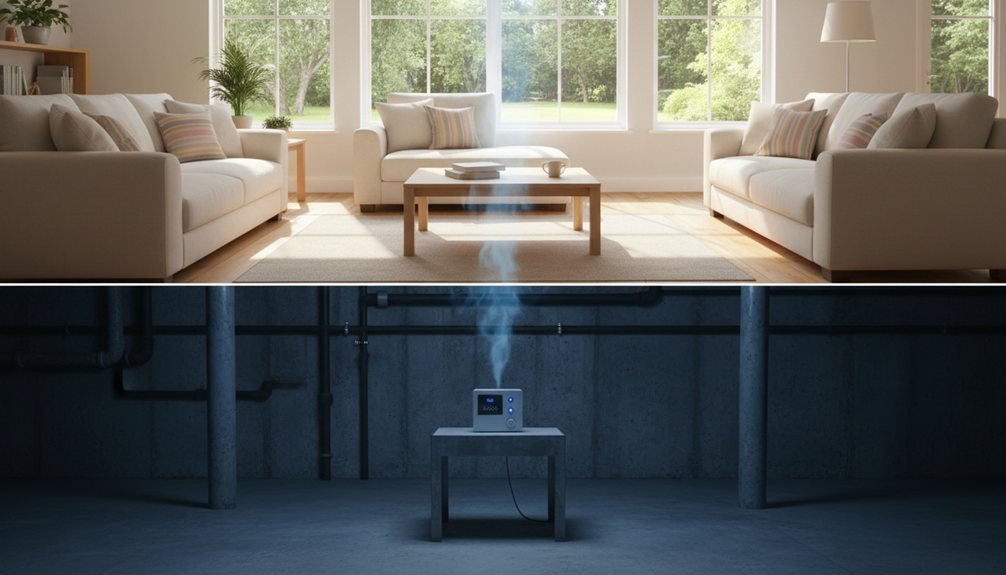
Test your home for radon at least once yearly. But here’s the thing—you’ll need more frequent testing during fall and winter when radon concentrations peak. New homeowners should test immediately after purchase. If you’ve renovated your basement or foundation, test again within 2–4 weeks. After installing a mitigation system, get professional verification within 24 hours. Crawl spaces? Test twice yearly. The specifics shift based on your situation, and we’ve got the exact timing breakdown ahead.
Key Takeaways
- Test your home immediately after purchase and before moving in for baseline radon levels.
- Conduct twice-yearly testing in spring and fall to capture seasonal radon fluctuations accurately.
- Schedule annual screening as routine maintenance to monitor radon levels and protect family health.
- Retest within 24 hours after mitigation system installation, then inspect monthly and verify yearly.
- Test again after major renovations, foundation repairs, severe weather, or HVAC changes that affect radon entry.
Initial Testing Requirements for New Homeowners
When you’re buying a home, don’t skip radon testing. It’s a vital part of your home inspection process. Many lenders actually require it as part of your mortgage contingency. That means you can’t close the deal without results.
Why rush?
You’ll get peace of mind fast. Radon’s invisible and odorless. You can’t detect it without professional equipment.
What happens next?
A certified inspector’ll test your home for 2–90 days. They’ll place detectors in your lowest living area. Results show radon levels clearly.
The bottom line:
Get testing done immediately after making an offer. It protects your investment and your family’s health. Don’t delay this essential step!
Annual Radon Screening Schedule
Test in fall and winter primarily. These colder months trap radon most effectively. Spring testing catches seasonal fluctuations. Summer provides baseline comparison data.
Don’t Forget About Occupant Turnover
Moving to a new home? Test immediately. Previous owners’ radon data doesn’t guarantee yours. Every residence has unique radon patterns.
Bottom line: Annual screening keeps your family safe. Make it a yearly habit!
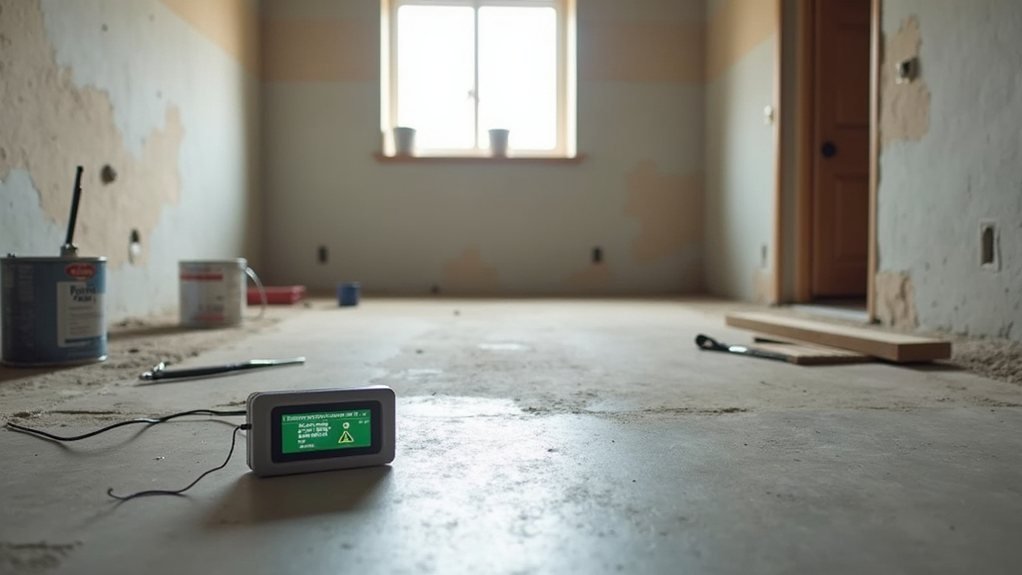
Testing After Home Renovations
| Renovation Type | Radon Risk | Testing Timeline |
|---|---|---|
| Basement work | High | Within 2 weeks |
| Foundation repairs | Very High | Immediately after |
| HVAC installation | Medium | 3-4 weeks |
Here’s why contractor coordination matters: Your contractors can accidentally increase radon entry. They might seal cracks wrong. They could disturb soil around your foundation.
Your action plan:
- Inform contractors about radon concerns
- Schedule testing after major work finishes
- Don’t wait—radon won’t announce itself
- Get results within 48 hours ideally
New openings mean new risks. Testing protects your family. You’re taking smart control here!
Seasonal Variation in Radon Levels
Temperature influence plays a massive role here. When it’s freezing outside, your home becomes a radon magnet. Summer months usually show lower levels because outdoor air pressure equalizes better.
Why This Matters for Testing
You shouldn’t test just once yearly. Spring and fall testing catches seasonal peaks effectively.
Consider testing twice annually for accurate results. This strategy reveals your home’s true radon profile across different seasons.
Your testing schedule should match these natural variations. Smart homeowners test strategically throughout the year!
Post-Remediation Testing and Verification
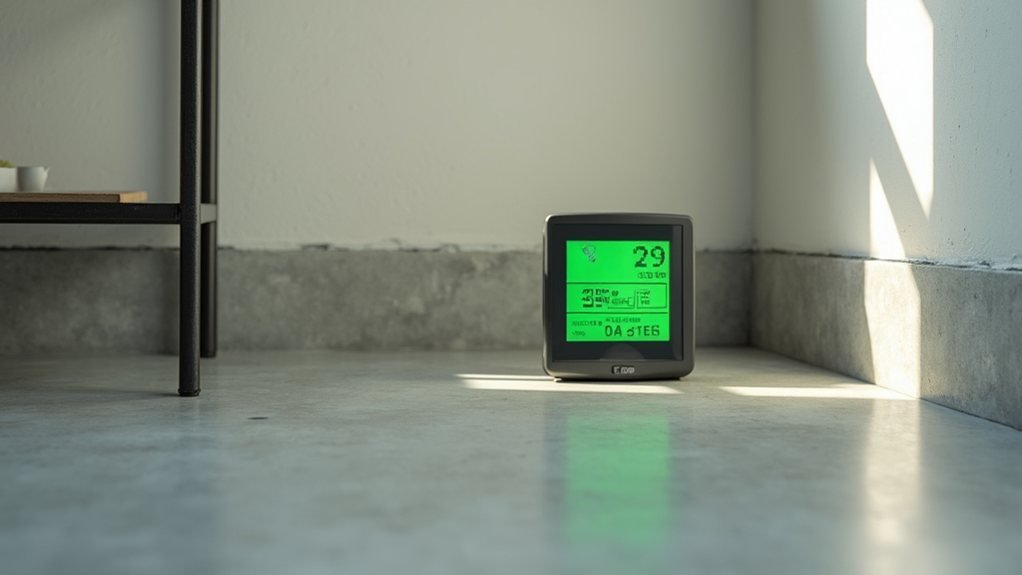
Once you’ve installed a radon mitigation system, you’ll absolutely need verification testing.
Why This Matters
You can’t just assume your system works. Independent verification proves it actually reduces radon levels. This step protects your family’s health and your investment!
The Testing Process
Wait 24 hours after installation. Then hire a certified professional to test your home. They’ll measure radon concentrations in your lowest living areas.
Post Mitigation Certification
You’ll want documented results. Get post mitigation certification paperwork from your tester. This official record shows your system meets EPA standards.
Success Looks Like This
Your radon levels should drop below 2 pCi/L. That’s the EPA’s recommended action level. If they’re higher, adjustments are needed.
Don’t skip this vital verification step. You’re confirming safety for everyone inside!
Long-Term Monitoring for Mitigation Systems
- Check fan operation monthly
- Inspect ductwork for damage
- Monitor pressure gauges regularly
- Verify sensor calibration yearly
Sensor calibration keeps measurements accurate and trustworthy. Drift happens naturally over time. Don’t let it fool you!
The Reality Check
Your system works hard protecting your family. Staying vigilant guarantees it stays effective long-term. You’ve got this!
Testing Frequency for Basement Spaces
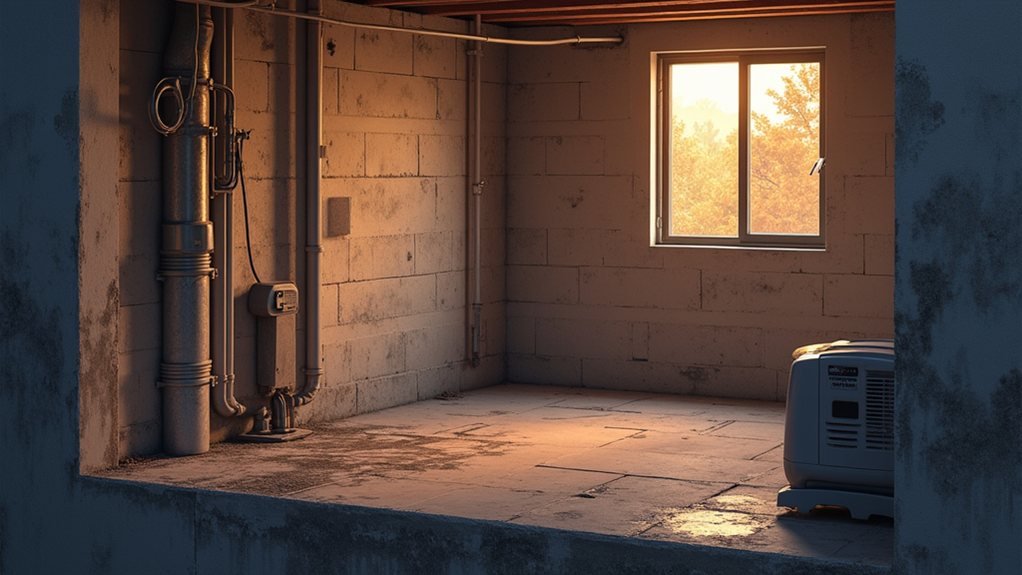
Your basement’s concrete slab sits directly on soil. That’s where radon enters! Test every year minimum.
Crawl Space Strategy
Got a crawl space instead? Test it twice yearly. These areas trap radon dangerously.
Your Action Plan
- Test during colder months (October-April)
- Retest after any mitigation work
- Monitor if levels sit between 2-4 pCi/L
- Switch to annual testing once you’ve confirmed safety
The Bottom Line
Don’t skip basement testing! Radon loves hiding there. Year-round vigilance keeps your family protected. Make testing your priority—your lungs’ll thank you!
Radon Retesting After System Installation
Installing a radon mitigation system isn’t the finish line—it’s halftime! You’re making fantastic progress. Now comes the critical part: confirming your system actually works.
Your Post-Installation Action Plan
Schedule a post installation inspection within 30 days. Here’s what happens next:
- Get certified professionals testing your home
- Measure radon levels in your basement and main living areas
- Review performance auditing results carefully
- Compare new readings to your original baseline
Why This Matters
Your system could have installation issues. Ductwork might leak. Fans might malfunction. Testing reveals everything honestly.
Moving Forward
If levels dropped substantially, celebrate! Most systems reduce radon by 80-90%. If not, your inspector identifies problems immediately.
You’re protecting your family. Retesting proves your investment’s working powerfully!
Periodic Screening for Established Homes
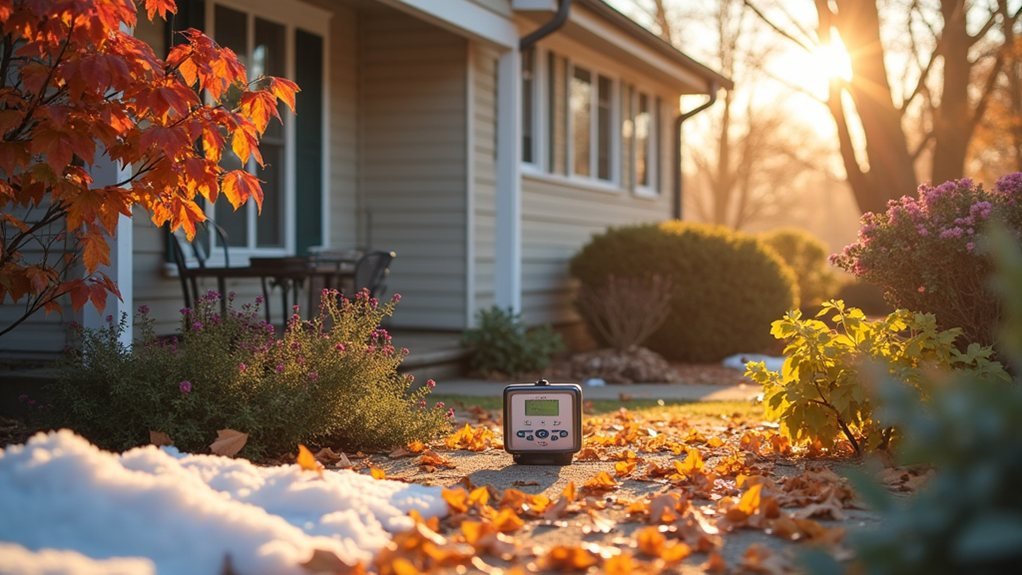
Your home’s radon situation isn’t permanent. Seasonal changes affect levels. New cracks develop in foundations. Ventilation systems need attention.
Your Testing Schedule
Test every 2-3 years minimum. This catches problems early. Detector maintenance keeps your equipment accurate. Replace batteries annually. Check device functionality regularly.
Occupant Education Matters
Teach your family about radon risks. Everyone should understand why testing matters. Share your test results with them.
Stay Vigilant
You’re protecting your family’s health! Consistent screening proves you’re serious. Regular testing equals peace of mind. Keep records of every test you conduct.
When to Conduct Additional Testing Beyond Regular Intervals
While your 2-3 year testing schedule keeps you covered, certain situations demand immediate action. You shouldn’t wait for routine testing when specific changes occur in your home.
Trigger Events for Extra Testing:
- Basement renovations or foundation repairs – construction disrupts radon pathways and entry points
- New occupant health concerns – respiratory issues or cancer diagnosis warrant urgent testing
- Severe weather events – flooding, earthquakes, or storms can crack foundations and alter radon levels
- HVAC system changes – new ventilation modifications affect radon circulation patterns
Act Fast on These Signs
Your family’s safety comes first. Don’t hesitate when occupant health feels compromised. Weather events particularly matter—heavy rains and storms create new cracks underground.
Testing costs little compared to health risks. Stay proactive. Your lungs will thank you!
Conclusion
You’ve got to stay vigilant with radon testing—seriously! Test your home initially, then annually without fail. After renovations? Test again. Post-remediation? Absolutely test. Basements need extra attention. Seasonal changes mean you’re constantly battling this invisible enemy. Don’t you dare skip follow-ups after system installation. Your family’s health literally depends on your dedication here. You’re the radon detective now. Stay sharp!