

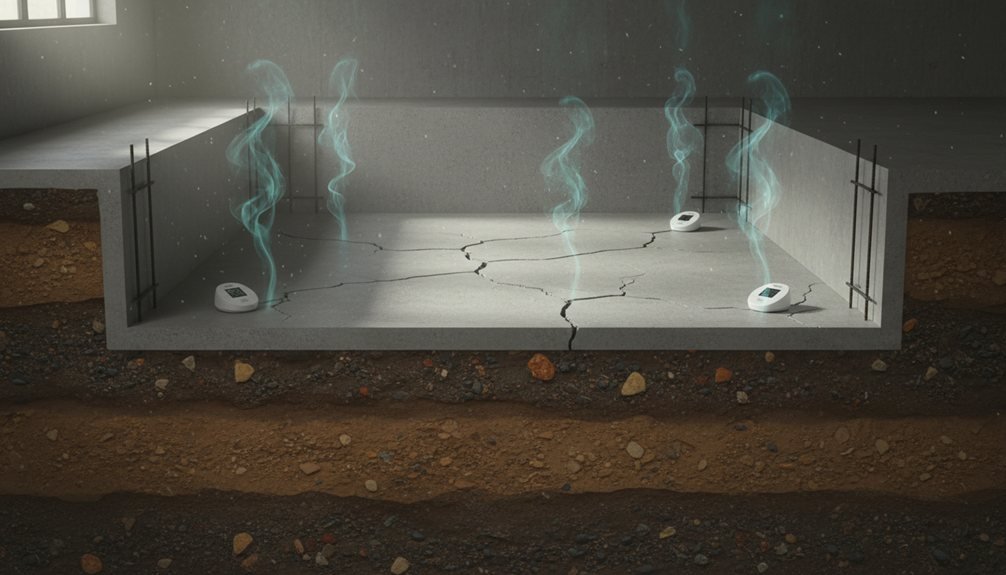
Radon’s a radioactive gas seeping from soil into your home—and you can’t see it. It originates from uranium decay underground. About 1 in 3 homes have dangerous levels. Here’s the kicker: radon’s the second leading cause of lung cancer. It sneaks through foundation cracks and gaps around pipes. Combined with smoking? Your risk skyrockets. You’ll need testing (2–7 days, affordable kits work great). Levels above 4 pCi/L demand action. Mitigation strategies exist—sealing, ventilation, depressurization systems. Your regional zone matters too. Stick around to uncover exactly how to protect your family.
Key Takeaways
- Radon is an invisible, radioactive gas from uranium decay in soil that seeps into homes through foundation cracks and gaps.
- About 1 in 3 homes have elevated radon levels, making it the second leading cause of lung cancer after smoking.
- Radon risk increases dramatically when combined with smoking, accumulating lung damage over years of long-term exposure.
- Affordable home test kits placed for 2–7 days reveal radon levels; readings above 4 pCi/L require professional mitigation action.
- Mitigation strategies include sealing foundation cracks, upgrading ventilation, and installing sub-slab depressurization systems to reduce radon entry.
The Origin and Nature of Radon Gas
Because radon’s lurking in your home right now, you’ve got to understand where it comes from.
The Underground Source
Radon originates from uranium decay deep beneath your feet. As uranium naturally breaks down in soil and rock, it releases this invisible radioactive gas. That’s soil emanation—the process that sends radon upward.
How It Reaches You
Think of your home’s foundation like a sponge. Radon seeps through cracks and gaps. It travels from soil into your basement and living spaces. You can’t see it or smell it. That’s what makes radon genuinely dangerous.
Why This Matters
About 1 in 3 homes have heightened radon levels. Your family breathes this gas daily without knowing it. Understanding radon’s path helps you protect your loved ones effectively.
How Radon Enters Your Home
- Radon seeps through soil surrounding your foundation
- Pressure differences pull it upward into your basement
- Cracks become superhighways for gas movement
- Gaps around pipes and sump pumps invite it in
Why This Matters
You can’t see radon arriving. You can’t smell it either.
But it’s working hard to enter your living space. Basements and crawl spaces get hit first.
Then it spreads throughout your home.
The solution? Get your home tested today. Knowledge is power!
Health Risks Associated With Radon Exposure
While you’re living your life, radon’s quietly doing damage.
The Lung Cancer Connection
You need to know this: radon is the second leading cause of lung cancer. It’s serious stuff!
Long-term exposure builds up in your lungs over years.
The Smoking Interaction
Here’s where it gets critical. If you smoke, radon’s danger skyrockets dramatically.
Smokers exposed to radon face exponentially higher cancer risk than non-smokers.
Why This Matters
You can’t see radon. You can’t smell it.
But it’s accumulating in your home right now.
Take Action
Test your home today. Don’t wait around hoping everything’s fine.
Knowledge protects your family’s health. Radon testing costs less than one pizza delivery.
Your lungs deserve better protection!
Testing Your Home for Radon Levels
Now that you understand radon’s serious health risks, it’s time to take control.
Get Testing Today
You’ve got options! Homeowner testkits are affordable and easy to use.
They’re available at hardware stores everywhere.
Why Timing Matters
Seasonal variations affect radon levels notably.
Winter months trap more radon inside. Test during fall or winter for accurate results.
You’ll catch higher concentrations when they’re most likely.
The Testing Process
Place your kit in your lowest living area.
Leave it undisturbed for 2-7 days.
Mail it to the lab. Results arrive within a week.
What’s Next?
Levels above 4 pCi/L mean action time.
Don’t panic—solutions exist! Professional radon mitigation works brilliantly.
Test now. Protect your family today!
Radon Mitigation and Reduction Strategies
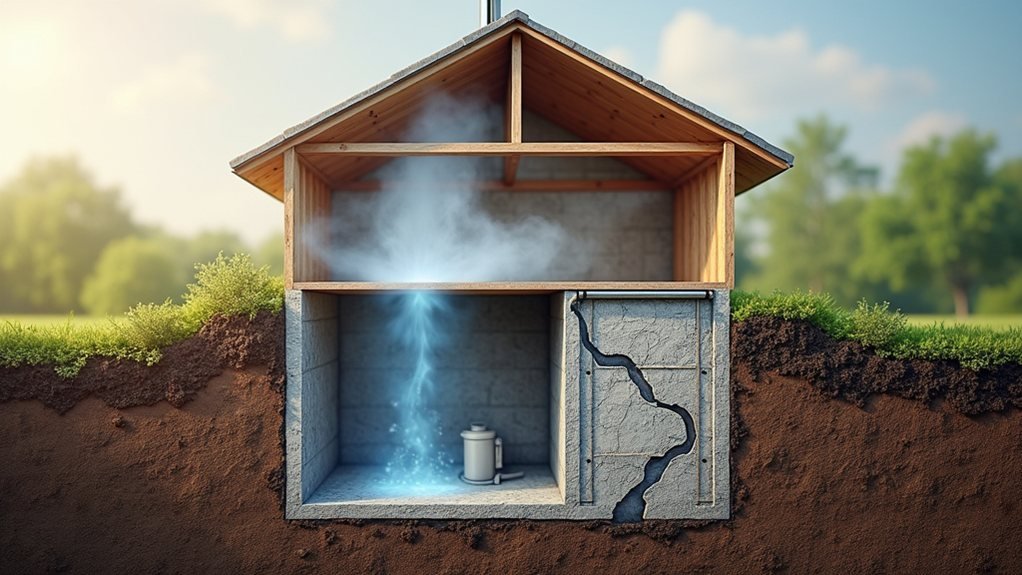
If your test results came back above 4 pCi/L, you’re ready to take action.
Your Action Plan
Seal Entry Points
You’ll want sealed membranes covering cracks in your foundation. This stops radon from sneaking inside your home. It’s genuinely effective!
Upgrade Your Ventilation
Ventilation upgrades are transformative for radon reduction.
Better airflow pushes radon out naturally. You’re effectively creating an escape route for this dangerous gas.
Install a Radon Mitigation System
Sub-slab depressurization systems work brilliantly.
They actively remove radon before it enters. Your investment protects your family’s health immediately.
Next Steps
Contact a certified radon mitigation specialist today.
They’ll create a custom solution for your specific situation. You’ve got this handled!
Regional Radon Zones and Risk Areas
Your zip code literally determines your radon risk level.
The EPA created state maps showing radon concentration zones. Your location matters tremendously. Some areas sit on geological hotspots with naturally high radon.
Zone Breakdown
Zone 1 = Highest risk (3+ pCi/L predicted)
Zone 2 = Moderate risk (2-3 pCi/L predicted)
Zone 3 = Lower risk (Below 2 pCi/L predicted)
Why Geography Rules
Certain regions experience radon problems intensely.
Granite bedrock areas? High radon zones. Limestone regions? Often safer. Your home’s foundation directly contacts radon-producing soil.
Check your state’s radon map immediately. Finding your zone takes minutes online.
This knowledge drives your testing decision. Don’t guess—verify your actual risk level today.
Long-Term Radon Management for Homeowners
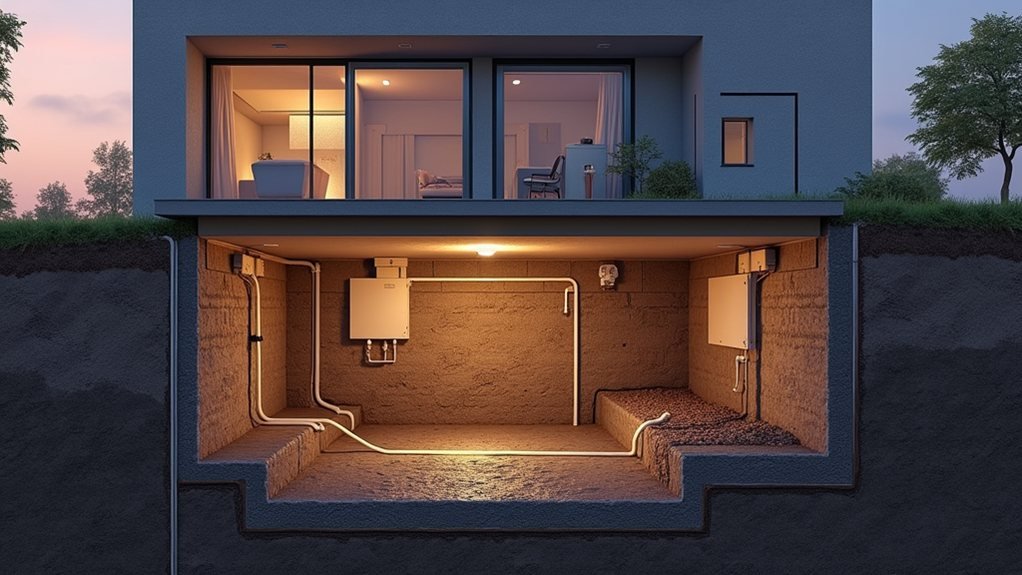
Once you’ve identified your radon zone and tested your home, the real work begins.
Stay Vigilant with Preventive Maintenance
You’ll want to inspect your radon system regularly. Check pipes and seals quarterly. Replace filters annually. Small maintenance tasks prevent expensive problems down the road.
Invest in Homeowner Education
Knowledge is your superpower here! Learn how your mitigation system works.
Understand warning signs of system failure. Take online courses or watch expert videos.
Keep Testing Ongoing
Don’t test once and forget it! Retest every two years minimum. Radon levels fluctuate seasonally.
Consistent testing catches dangerous changes immediately.
Stay Connected
Join local radon awareness groups. Share experiences with neighbors. Together you’ll build stronger community protection against this sneaky threat!
Conclusion
You’ve got to take radon seriously right now. It’s literally everywhere underground trying to sneak into your house. Testing costs almost nothing compared to the health risks you’re facing. Get your home tested today. Fix any problems immediately. You’re protecting your family’s lungs for literally a million years of breathing easier. Don’t wait around—radon won’t wait for you.